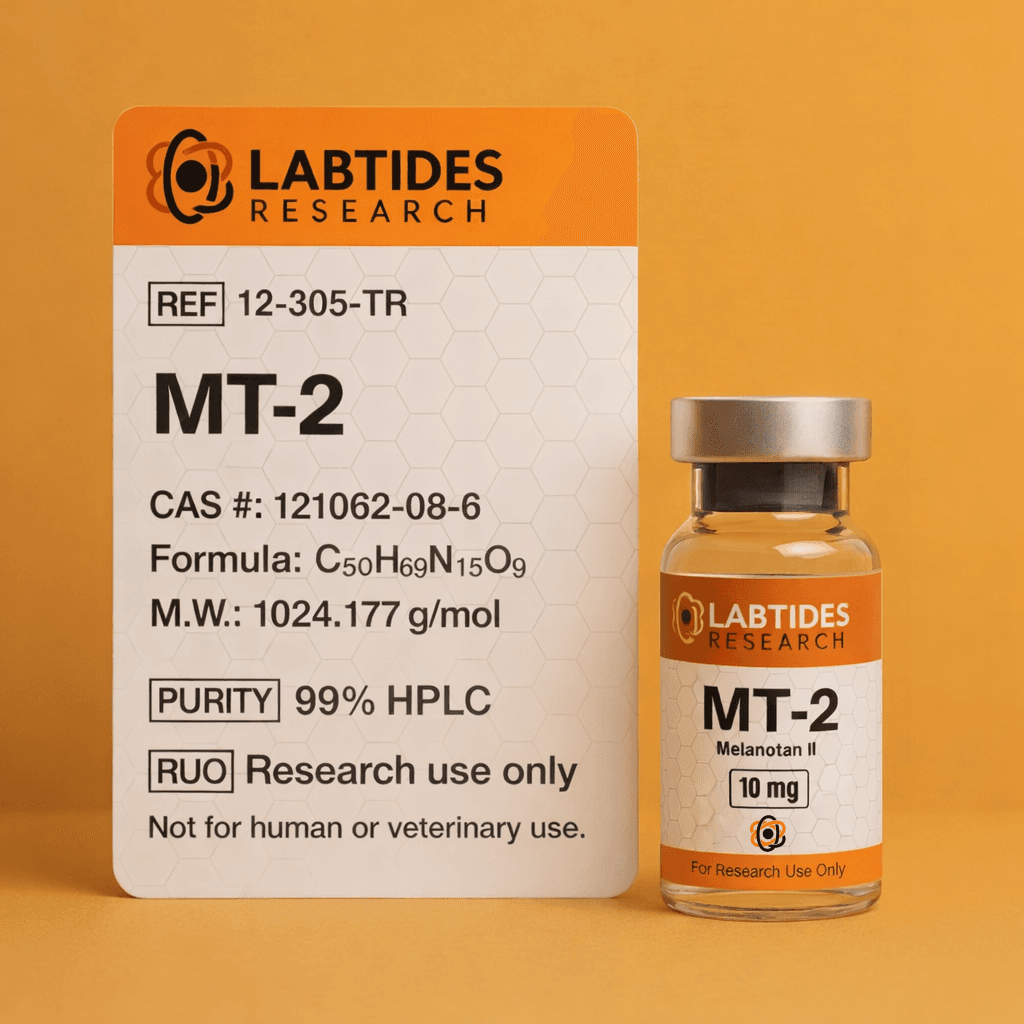
For Research and Laboratory Use Only
 21% OFF
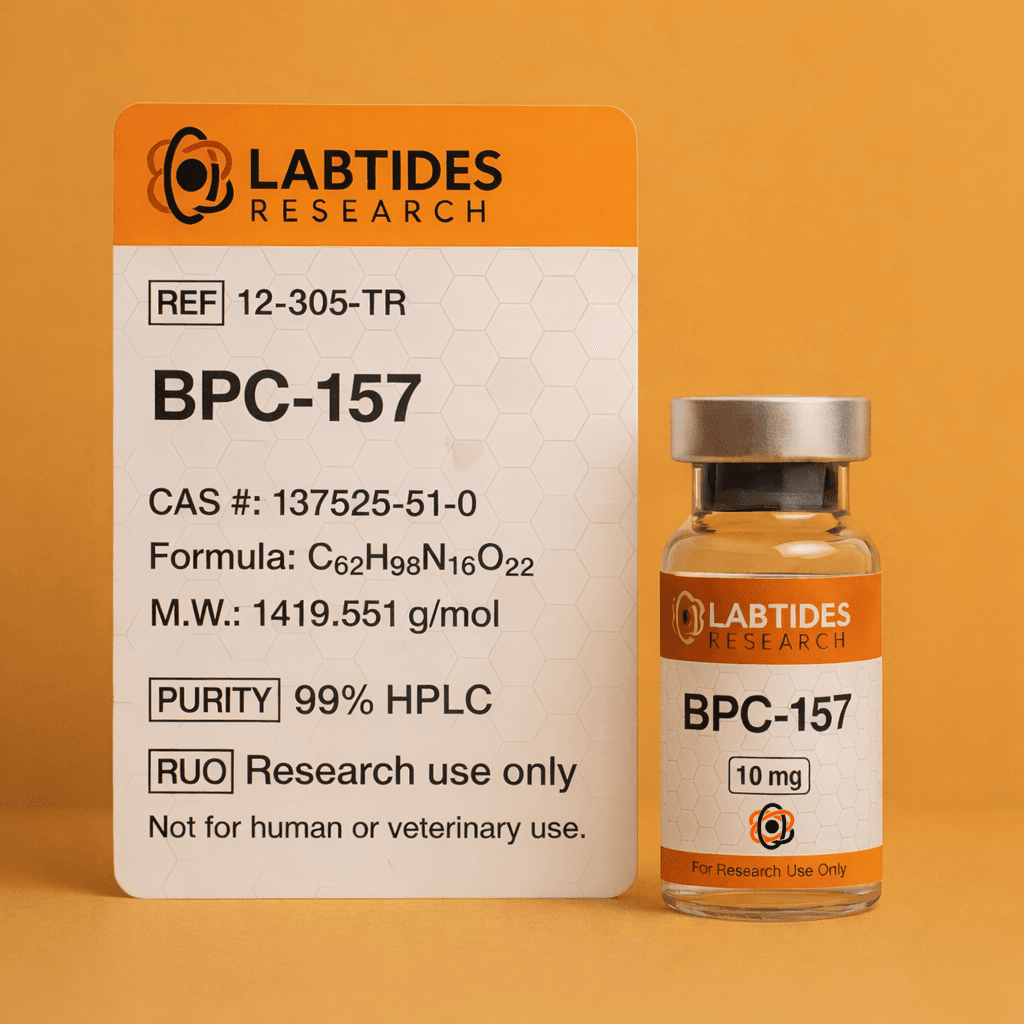
Body Protection Compound-157 (BPC-157) is a synthetic peptide derived from a protective protein found in the stomach. Research indicates potential applications in tissue healing and regeneration studies. 99% purity verified by HPLC. CAS #: 137525-51-0.
$69.99
$54.99
HPLC tested >99%
Mon, Jun 8 – Wed, Jun 10
For research and laboratory use only. Not for human consumption, therapeutic, or diagnostic use. Must be 21+ to purchase.
GHR UPREGULATION
Growth hormone receptor by day 3
HUMAN PATIENTS
Reported pain relief >6 months
PUBLICATIONS
Peer-reviewed studies since 1991
ACHIEVED
No lethal dose found in toxicity studies
TYPICAL TIMELINE
For observable effects in studies
MECHANISM OF ACTION
BPC-157 works through several interconnected biological pathways that promote healing and tissue repair. It activates various cellular repair mechanisms, promotes blood vessel formation, and modulates inflammation.
Vascular Endothelial Growth Factor Receptor 2
eNOS/Nitric Oxide Signaling
From clinical studies and research protocols
Oral BPC-157 tablets in 42 healthy volunteers (NCT02637284)
1mg, 3mg, or 6mg oral tablet
Single administration
3mg oral tablet
14 days (9mg total daily dose)
·Phase 1 safety study — results not yet published
·Status: Completed (2016)
PHARMACOKINETICS
Short half-life is typical for peptide drugs
Stability in gastric juice supports oral administration
SAFETY PROFILE
Because BPC-157 promotes angiogenesis, there are theoretical concerns about potential effects on tumor growth. This has not been studied and remains speculative.
FAQ
BPC-157 is a synthetic 15-amino acid peptide derived from a larger protein found in human gastric juice. It was discovered at the University of Zagreb, Croatia, and has been studied extensively in animal models for tissue-protective and regenerative properties.
·Research compound — not approved for human use
·Banned by WADA since 2022 (S0 category)
·Most evidence is preclinical (animal studies)
·Human clinical data is very limited
FAK-paxillin, JAK-2, ERK1/2
BPC-157 significantly increases Growth Hormone Receptor (GHR) expression, amplifying the body's natural regenerative signaling.
GHR Expression (Day 3)
7x increase
FAK Phosphorylation
Dose-dependent
Cell Migration
+70% faster
CLINICAL / RESEARCH RESULTS
BPC-157 dose-dependently increased cell migration, FAK/paxillin phosphorylation, and cell survival under oxidative stress in tendon fibroblast models.
58%
Pain relief >6 months
Human knee study (n=12)
100%
No toxicity observed
All preclinical studies
92%
Positive outcomes
In musculoskeletal models
RESEARCH APPLICATIONS
Accelerated tendon repair observed in animal transection and injury models. Enhanced fibroblast outgrowth and collagen synthesis.
Source: J Applied Physiology
Gastrointestinal protective effects in ulcer and colitis models. Stable in gastric juice for 24+ hours.
Source: Gut and Liver Journal
Brain injury and dopamine/serotonin modulation studied in preclinical models.
Source: Curr Neuropharmacology
Osteogenic effects observed in fracture models. Enhanced bone defect healing in rabbit studies.
Source: J Orthop Research
Doses ranging from nanograms to micrograms per kilogram
Standard research dose
1-2x daily, most common in rat studies
Ultra-low dose
Effective at 1000x lower concentration
·Effective across a 1000-fold dose range
·No dose-limiting toxicity identified
·Oral bioavailability confirmed (gastric stable 24+ hrs)
Rapid metabolism into normal amino acid pathways suggests safety
·Preclinical safety data is extensive but human data is very limited
·A 2025 pilot study with IV infusion of 10-20mg showed no adverse effects
·Use caution with products from unverified sources
COMPOUND INFORMATION
Lyophilized (powder)
Reconstituted
Gastric stability